
LASER TECHNOLOGIES
Advanced lidar systems pushing the limits of possible
Lidar solutions enabling your next mission
Fibertek delivers performance beyond commercial products. Our innovative lidar systems are optimized to meet mission performance and CONOPS requirements.
Mission-optimized architectures combine advanced signal coding, detection schemes, ruggedized design, and high-power performance for reliable long-range space measurements.
Mission lifecycle support
End-to-end lidar mission planning, modeling, and operational support, tailored for aerospace and defense objectives.
Proven spaceflight reliability
100% success rate in delivering lidar technologies on NASA’s flagship Earth-sensing missions.
Customer focused solutions
From individual subsystems to fully integrated lidars, Fibertek delivers purpose-built solutions.
Proven Expertise
Airborne laser systems
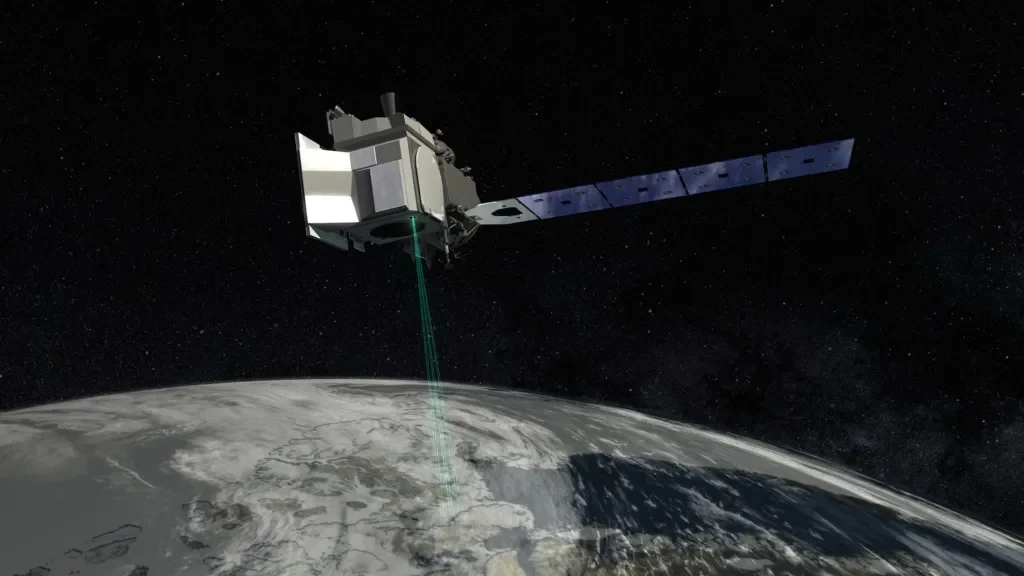
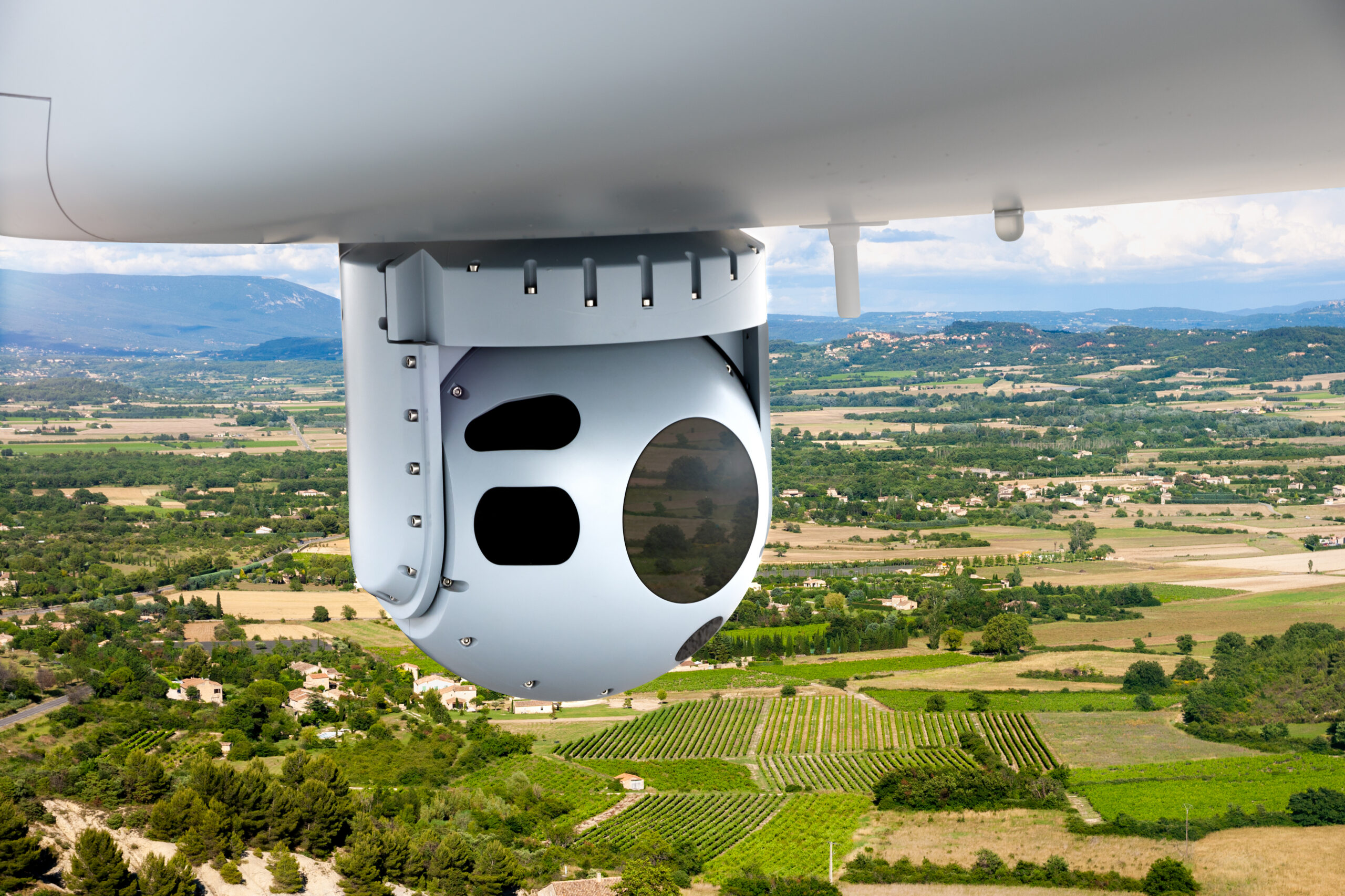
Fibertek’s portfolio of airborne laser systems support precision targeting and navigation, as well as intelligence, surveillance, and reconnaissance missions. Our technology and offerings are demonstrated through operational deployment on fixed-wing, rotary, and UAV platforms, delivering next-gen performance in contested, high-dynamics airborne environments.
Space-borne lidar and instrumentation systems
Fibertek’s laser range finders, 2D scanning lidars, and flash lidars are ideal for low-orbit surface mapping; navigation and guidance sensing for descent, landing, and docking; lunar surface navigation assistance; rendezvous and proximity operations (RPO); and space domain awareness.
Understanding the Moon and planetary bodies
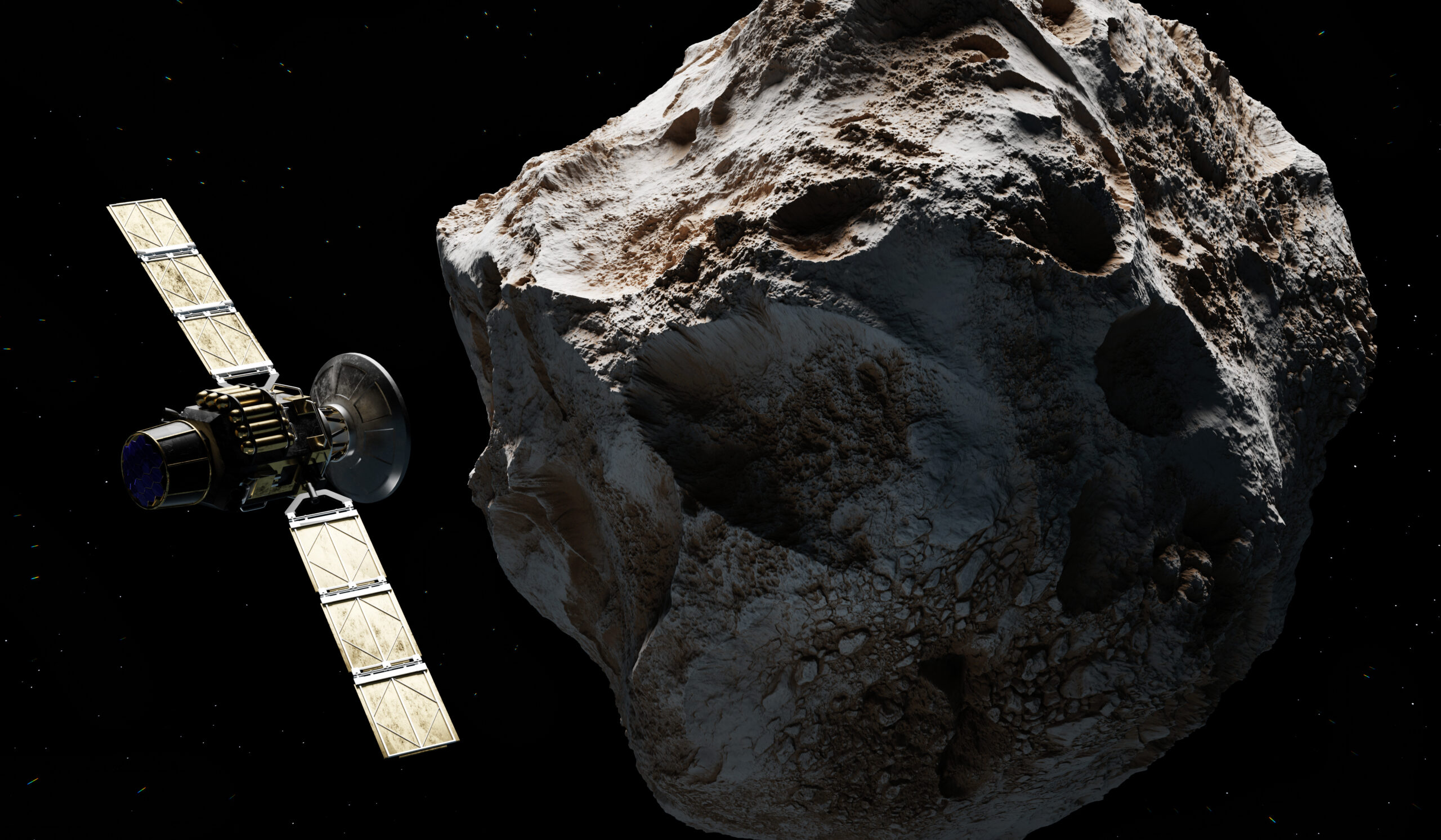
Fibertek advances planetary lidar sensing with proprietary technologies and mission-driven algorithms that enable orbital and in situ surface mapping and chemical characterization in support of autonomous navigation, resource prospecting and utilization, and advancing our scientific understanding of extraterrestrial bodies.
- Remote sensing from 0–100+ km range
- Scanning, multi-beam, and flash lidar architectures
- Direct-detect, coded, and coherent lidar waveforms
- High-energy bulk solid-state transmitters and high-repetition-rate fiber transmitters
- Optimized wavelength selection from UV to IR
- Linear and photon counting detectors
Earth atmospheric and surface profiling instruments
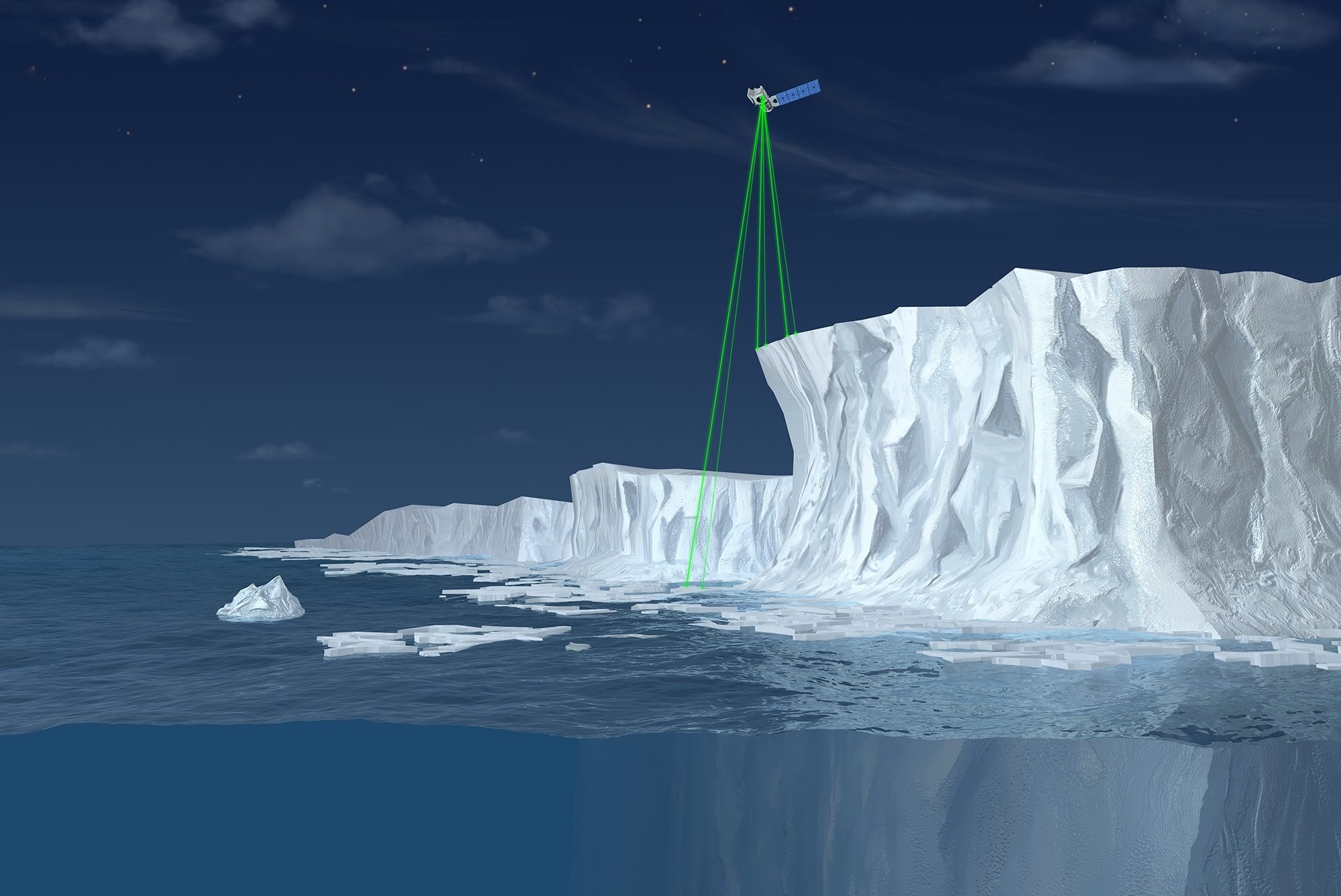
Fibertek’s lidar transmit and receive technologies have powered some of NASA’s most impactful Earth-sensing missions, delivering unparalleled long-range and long-term observations of our planet’s oceans, surface, and atmosphere. Our systems have demonstrated decades of reliable operation and performance that consistently exceed requirements.
- Over 2 trillion laser pulses, and counting, emitted by the ICESat‑2 laser since launch in 2018
- 17+ years of continuous operation on the CALIPSO mission, far exceeding its original 5-year design lifetime
- Low-cost, agile development with rapid deployment demonstrated by the ISS-CATS lidar launched in 2014
- Strong performance record with the U.S. Government and prime contractors, delivering results that surpass mission expectations
Long range detection and tracking
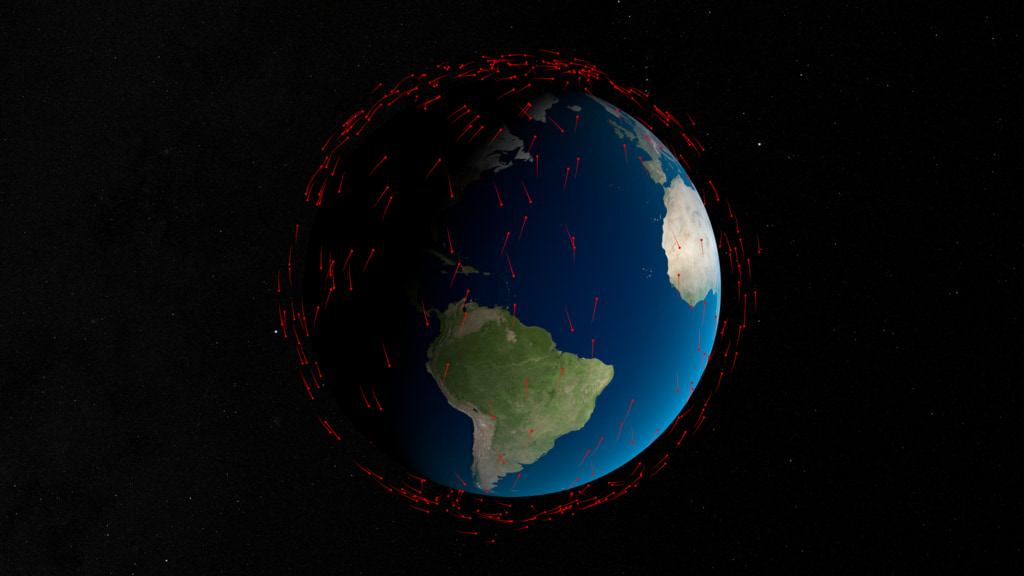
Fibertek’s long-range lidar systems enable next-generation space domain awareness, delivering precise detection, tracking, and characterization of space objects at extended ranges. Our high-power lasers and sophisticated detection algorithms provide the sensitivity, operational range, and sensing modalities required for increasingly dynamic orbital environments.
- Scaled laser architectures derived from NASA’s Earth observation mission heritage
- 100+ W high technical maturity and space-qualified bulk solid-state lasers
- 100+ W high-efficiency fiber lasers
- Hybrid laser architectures for high average power and high pulse energy
Compact lidar and laser range finder systems
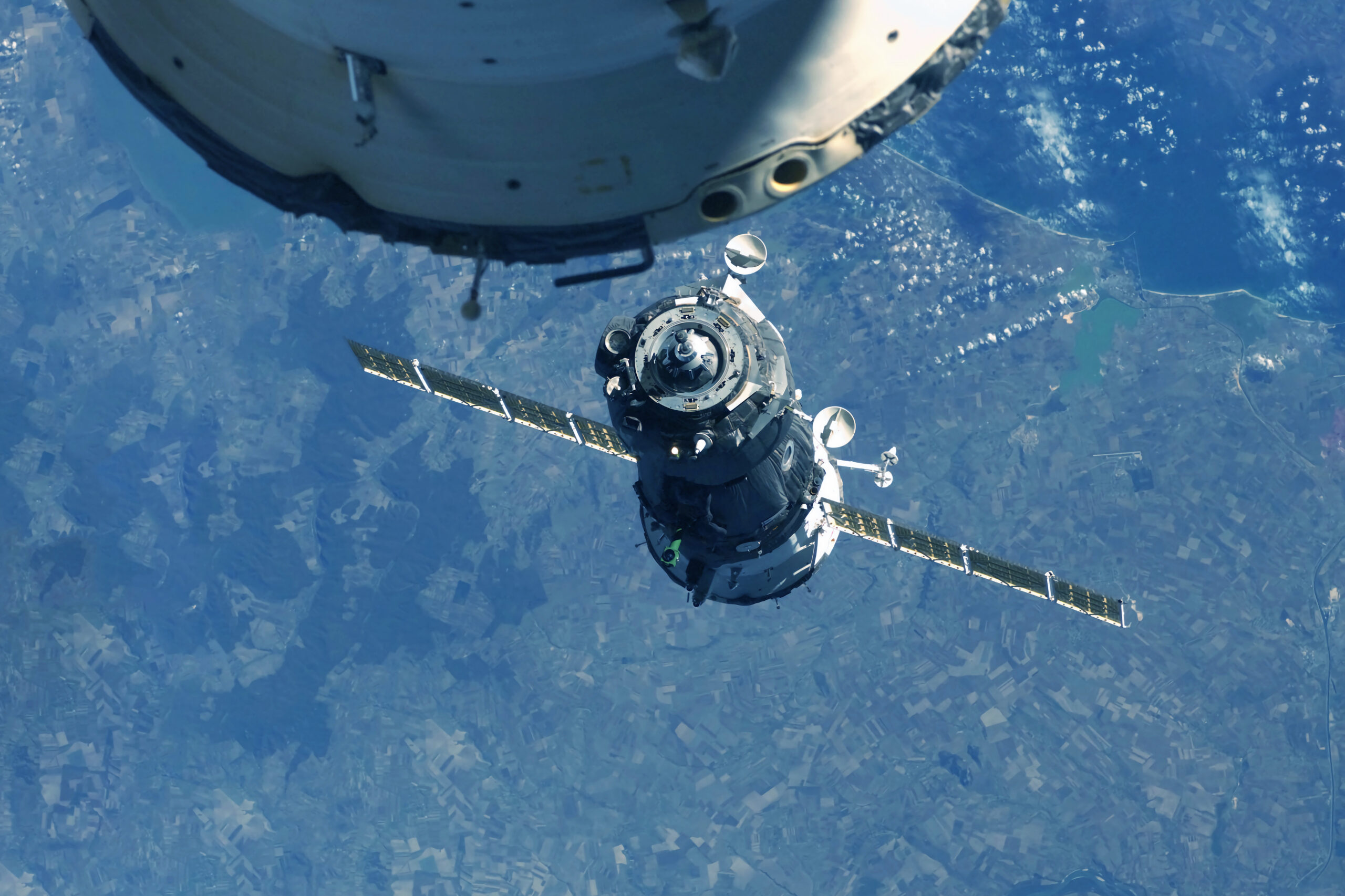
Fibertek’s spaceflight-proven, low-SWaP lidar systems deliver precision line-of-sight ranging and 3D point cloud generation. Designed to support autonomous rendezvous and proximity operations (RPO), close-range maneuvering, and docking, these compact instruments provide reliable performance in congested space environments.
- High-energy pulsed laser transmitters with precision pointing and tracking capability
- Single-photon-sensitive, high-resolution detector arrays delivering centimeter-scale range resolution across the field of view
- Ultra-low-cost ranging sensor options
- Lidars and subassemblies ready for mission integration
- Ruggedized transmitters designed for extreme planetary environments such as Europa and Mars
Space-based astrophysical instruments
Fibertek develops ultra-stable laser and precision metrology technologies that enable astrophysical discoveries. Our systems support long-baseline optical interferometry and gravitational reference sensing required to probe fundamental physics and observe phenomena inaccessible from Earth.
- Laser and precision reference subsystems advancing ultra-precise inertial and gravitational reference sensing
- NASA’s Gravitational Reference Advanced Technology Test in Space (GRATTIS)
- ESA/NASA’s Laser Interferometer Space Antenna (LISA) – Read the Full Case Study
- Ultra-stable, narrow-linewidth space lasers
- Precision frequency control and phase-stable metrology electronics
Specialized solutions for evolving security needs
Fibertek develops advanced technology solutions aligned with U.S. Government national security objectives. Our experience spans specialized laser, sensing, communications, and electro-optical capabilities designed to address complex and dynamic mission requirements.
Please contact us directly for more information.

Case Study
Explore our work in lidar systems & technologies
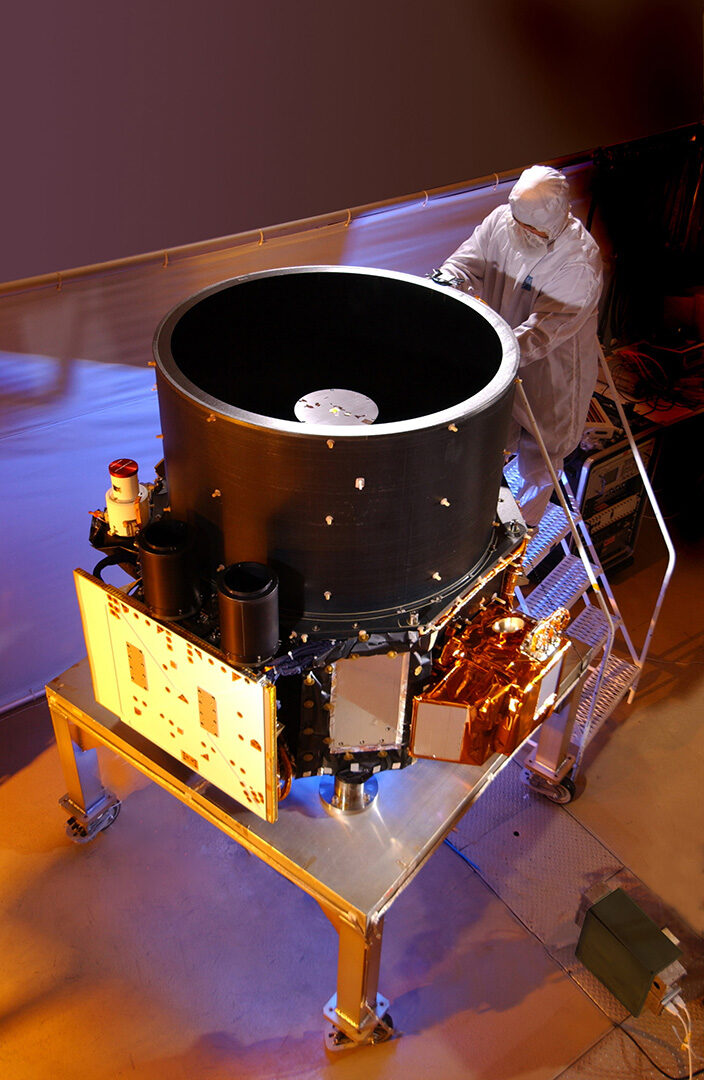
CALIPSO CALIOP – Space laser
2006–2023
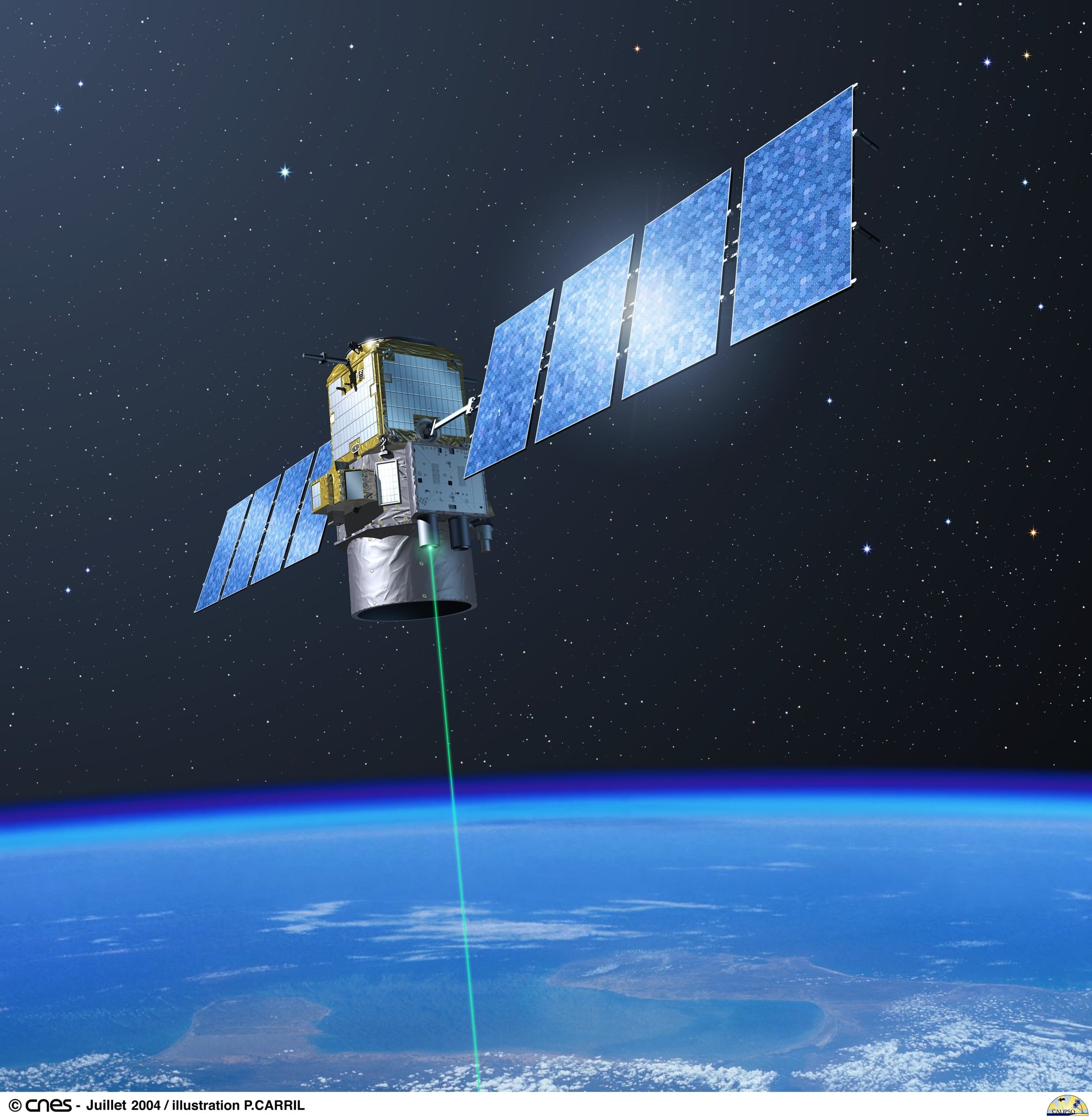
The CALIOP instrument, powered by two space-qualified lasers delivered by Fibertek, served as the enabling technology for NASA’s CALIPSO mission, operating continuously for 17 years—well beyond its 3-year design life—and concluding only when spacecraft fuel was depleted. It supported atmospheric aerosol measurements from orbit with a 1-meter telescope, featuring an Nd:YAG diode pumped power oscillator pulsed laser with 1064 nm and 532 nm wavelengths output totaling 110 mJ pulses at 20 Hz, and delivering more than 4 billion laser pulses on-orbit.
ICESat-2 ATLAS lasers and lidar electronics
2018–Present
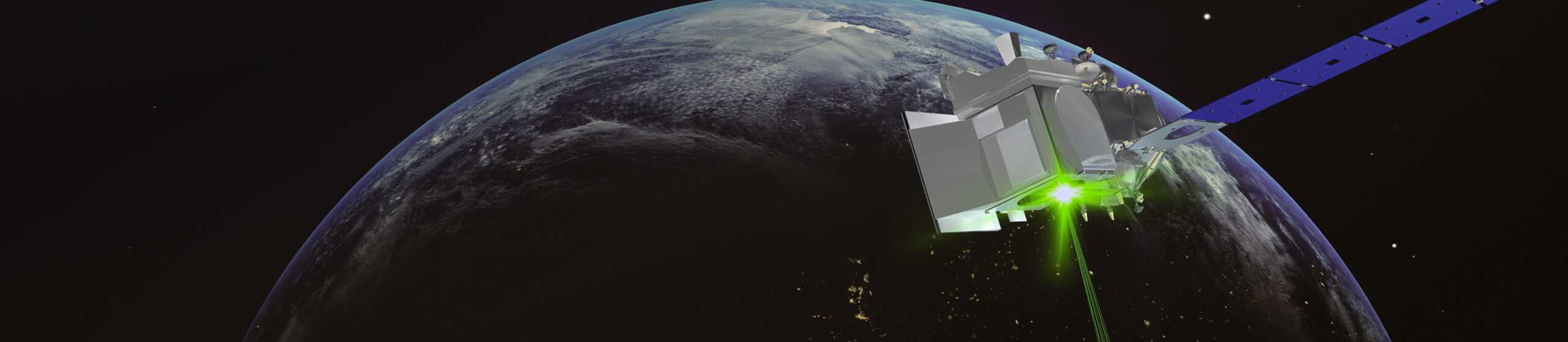
The ATLAS instrument serves as the enabling technology for NASA’s ICESat-2 mission, operating continuously since September 2018 with telemetry indicating operational laser life through 2035. The mission has achieved more than 2 trillion laser shots on-orbit (as of 2025)—more than any other space laser.
The ATLAS instrument is a multi-beam, micropulse, cm-range resolution laser altimeter with dense along-track sampling of 70 cm, and has the most stringent wavelength control and temporal pulse-width requirements of any NASA spaceflight laser altimeter to date.