
Customer
NASA Langley Research Center and Centre National D’Etudes Spatiales (CNES)
Program Webpage
CALIPSO – Cloud-Aerosol Lidar and Infrared Pathfinder Satellite Observations
Fibertek’s spaceborne laser transmitters delivered almost 20 years of continuous service.
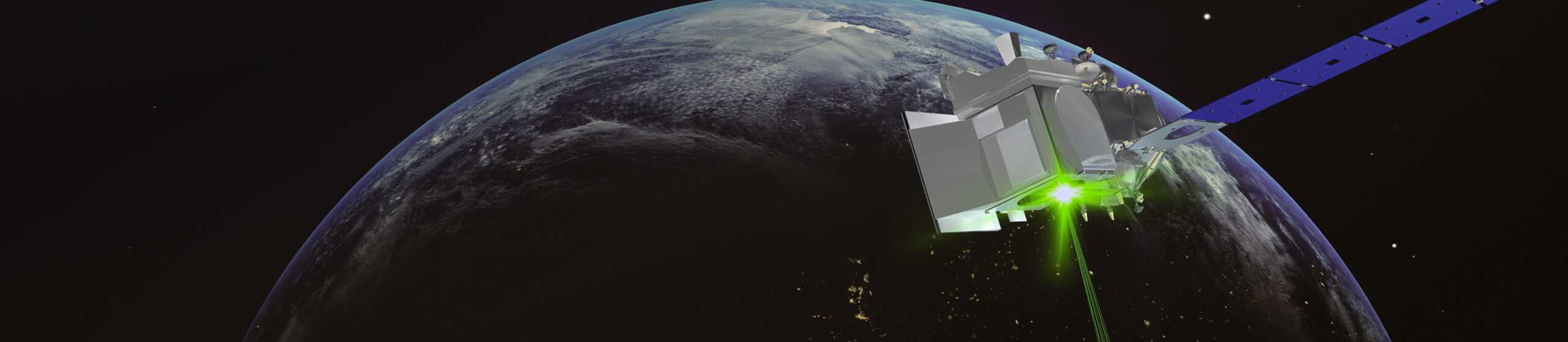
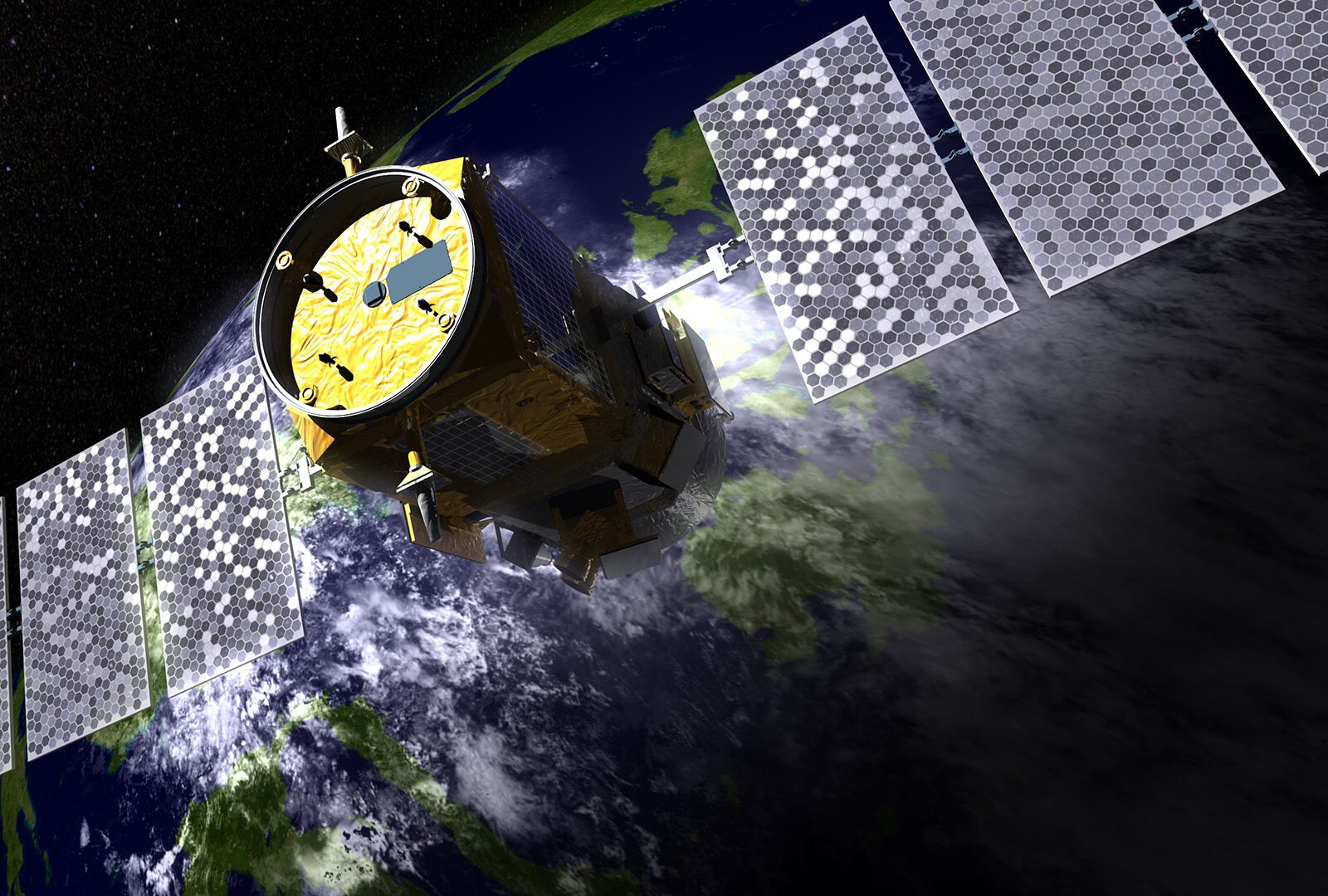
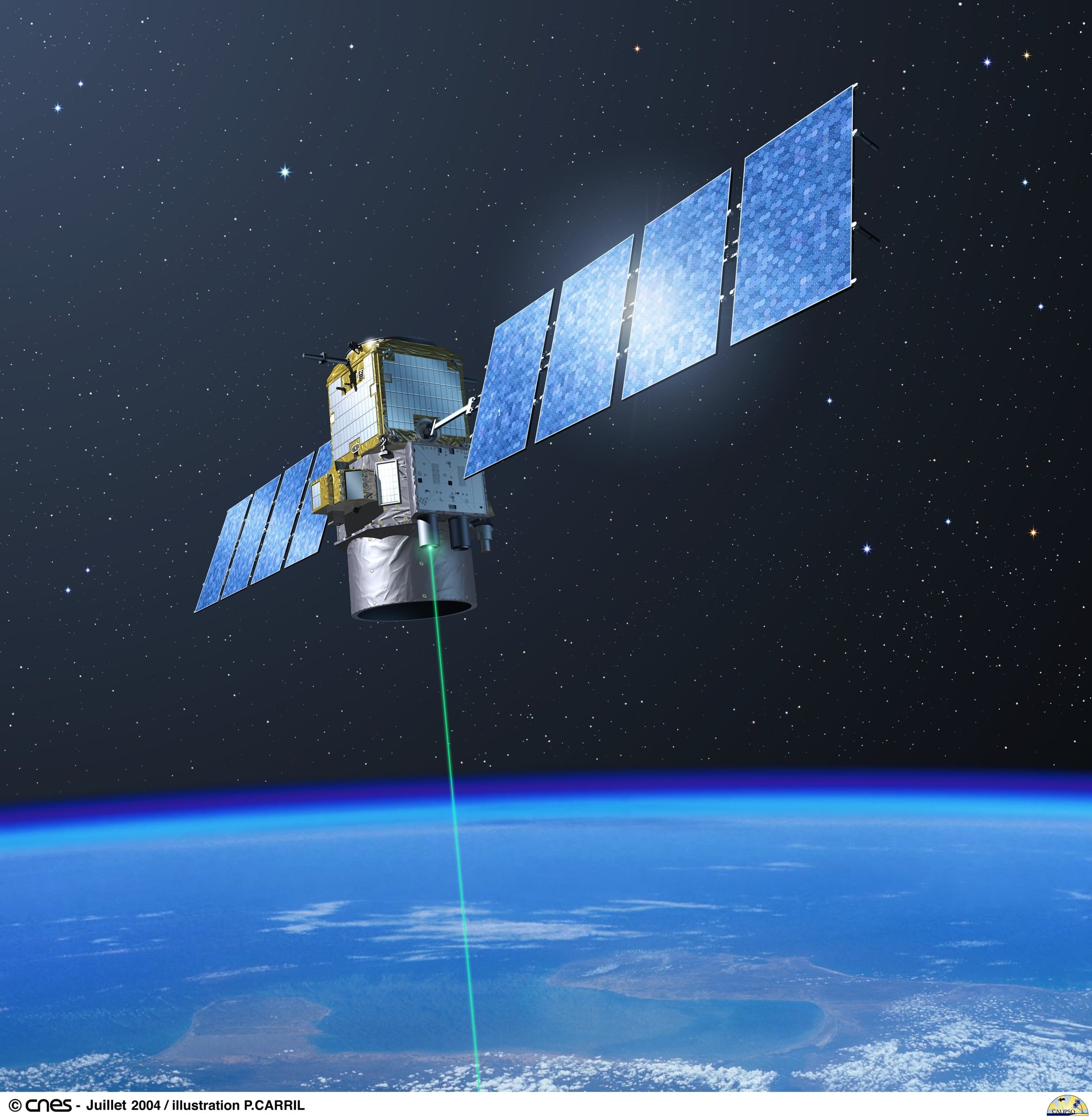
Fibertek designed and built the Nd:YAG laser transmitters that formed the core of the Cloud-Aerosol Lidar and Infrared Pathfinder Satellite Observations (CALIPSO) mission’s lidar instrument.
Hardware performed reliably and consistently for many years beyond the typical lifespan.
- Dual-laser system
- Ruggedized diode-pumped architectures
- Advanced thermal management
- Continuous, high-performance service well past the initial 3-year mission
Mission and Challenges
Launched in 2006 as a joint mission between NASA and CNES, the CALIPSO mission was designed to enhance understanding of the role clouds and aerosols play in Earth’s climate system. The mission’s primary objective was to provide long-term, high-resolution data to support the development and refinement of global climate models, particularly in quantifying radiative forcing (the balance between energy received from the Sun and energy radiated back into space). By characterizing the properties and global distribution of aerosols and clouds, CALIPSO helped scientists better understand processes influencing climate change, weather prediction, and air quality, including phenomena such as volcanic eruptions, dust storms, wildfire smoke, and pollution transport. The mission required exceptionally reliable hardware that could survive the harsh conditions of space and deliver consistent performance far beyond typical lifespans.
Fibertek’s contribution and results
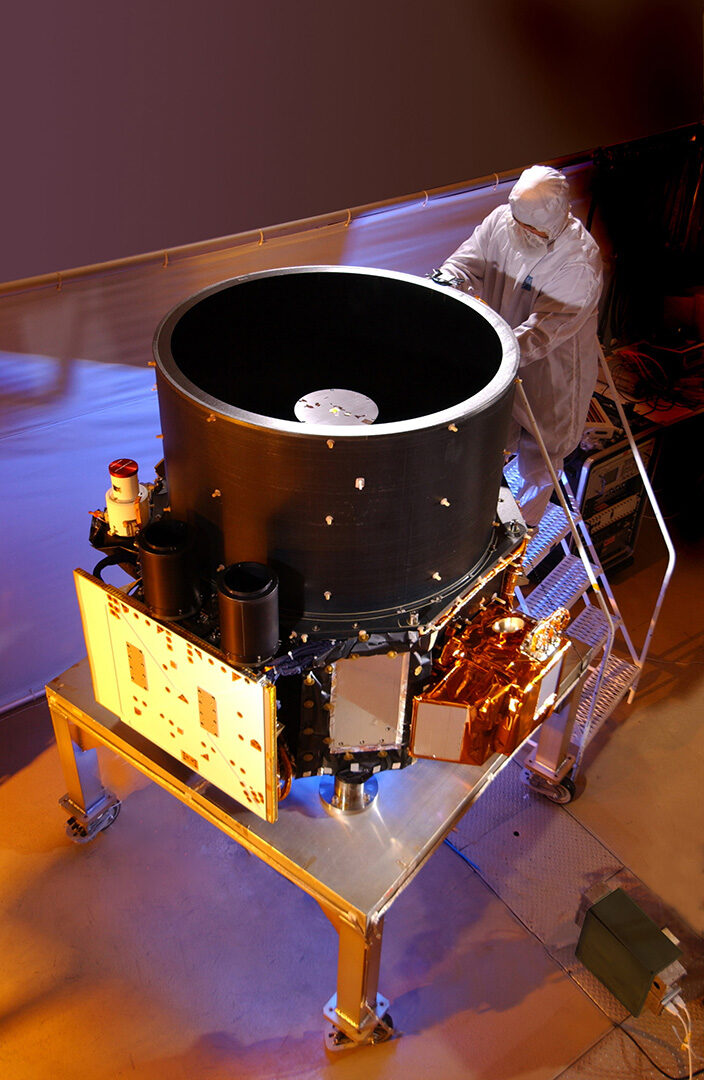
Fibertek designed and built the Nd:YAG laser transmitters that formed the core of the CALIPSO lidar instrument. Operating at 532 nm and 1064 nm with a combined pulse energy around 200 mJ, the dual-laser system featured ruggedized diode-pumped architectures and advanced thermal management for extended space operation. Although qualified for only a three-year mission, Fibertek’s laser systems delivered almost 20 years of continuous, high-performance service. This unmatched reliability helped solidify Fibertek’s reputation for durable spaceborne laser technology and played a key role in enhancing NASA’s climate modeling capabilities.